B-101, Plot B8, GD-ITL Tower, Netaji Subhash Place,Pitampura, Delhi, 110034
info@inexusconsultant.com
Mon - Fri: 10:00 AM - 6:00 PM | Sat: 10AM-2PM

EPR REGISTRATION FOR OIL WASTE

EXTENDED PRODUCER RESPONSIBILITY COMPLIANCE UNDER HAZARDOUS & OTHER WASTES (MANAGEMENT & TRANSBOUNDARY MOVEMENT) RULES, 2016

What is EPR for Oil Waste?

EPR for Oil Waste is a mandatory compliance obligation under the Hazardous and Other Wastes (Management and Transboundary Movement) Rules, 2016, and the guidelines issued by the Ministry of Environment, Forest and Climate Change (MoEFCC). It requires producers, importers, and brand owners (PIBOs) dealing in lubricating oil, industrial oil, and other petroleum-based products to take responsibility for the environmentally safe collection and channelization of used/waste oil for re-refining or co-processing.

Registration is completed on the CPCB portal and entities must fulfil annual collection and recycling targets for waste oil. Non-compliance attracts environmental compensation charges, import restrictions, and criminal liability under the Environment Protection Act, 1986.

Covers All Oil & Lubricant Categories

Lubricating oils, engine oils, hydraulic oils, industrial oils, transformer oils, and petroleum-based waste oils.

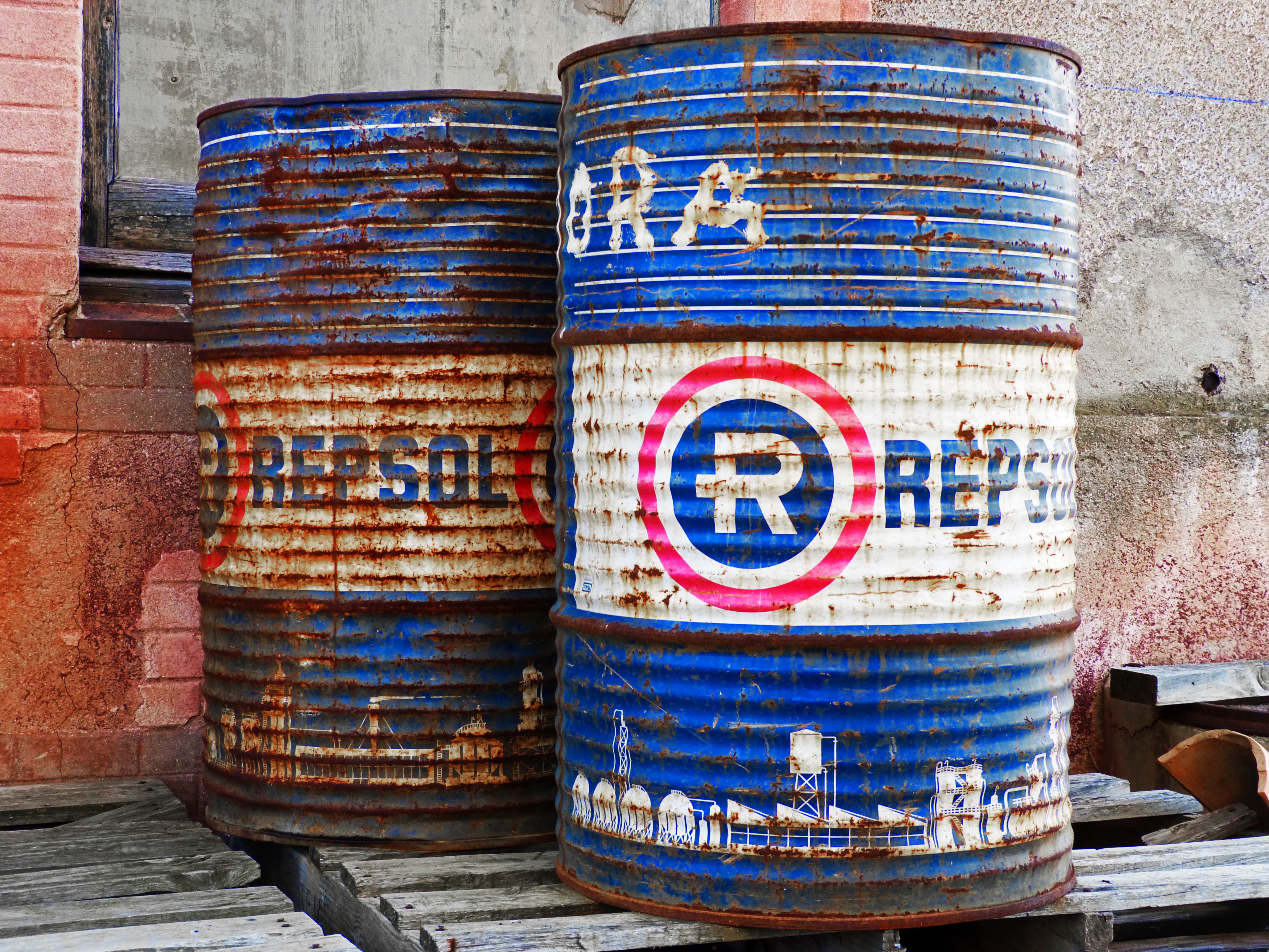
oil waste

Who Needs Oil Waste EPR Registration?

All entities producing, importing, or selling lubricating and industrial oils in India must comply.

Producers & Manufacturers

  • Lubricating oil manufacturers
  • Engine oil & gear oil producers
  • Hydraulic & transmission oil manufacturers
  • Industrial oil & cutting fluid producers
  • Transformer & insulating oil manufacturers
  • Grease & specialty oil manufacturers
  • Base oil blenders & re-refiners
  • Petroleum product manufacturers
Oil Categories Covered:

Mineral oils, synthetic oils, semi-synthetic oils, bio-based lubricants, and all petroleum-derived oils.

Importers & Brand Owners

  • Importers of lubricating & industrial oils
  • Automobile oil brand owners
  • Importers of specialty industrial oils
  • OEM-supplied oil importers
  • EV & automobile manufacturers (oil users)
  • Fleet operators importing bulk oil
  • Industrial MRO distributors
  • Marine & aviation oil importers
Waste Oil End-Uses:

Re-refining into base oil, Co-processing in cement kilns, Fuel blending, Energy recovery in approved facilities.

Oil Waste EPR Targets & End-Uses

Collection Targets
  • Based on annual oil placed on market
  • Targets set by CPCB on registration
  • Incremental targets increasing yearly
  • Shortfall met via EPR credit purchase
  • Annual review and revision by CPCB
Permissible End-Uses
  • Re-refining to base oil
  • Co-processing in cement kilns
  • Fuel blending (approved facilities)
  • Energy recovery in boilers
  • Industrial solvent recovery
Reporting Requirements
  • Half-yearly return filing on CPCB portal
  • Annual EPR report submission
  • Upload of recycler/re-refiner certificates
  • Oil credit purchase records maintenance
  • Third-party audit (if applicable)
Non-Compliance Risks
  • Environmental compensation charges
  • Business license suspension
  • Import restriction orders
  • Criminal liability under EPA, 1986
  • Public defaulter disclosure by CPCB

Oil Waste EPR Registration Process

1
Applicability Assessment

Determine whether your oil category, volume, and operations fall under waste oil EPR obligations.

2
Document Collection

Gather PAN, GST, incorporation certificate, IEC, and annual oil production or import volume data.

3
CPCB Portal Filing

Create account on the CPCB EPR portal, fill the oil waste EPR application, and upload all documents.

4
Target Declaration

Declare annual oil sales/import volume, set waste oil collection targets, and finalize recycler tie-ups.

5
EPR Certificate

CPCB reviews the application and grants EPR authorization for oil waste management upon approval.

6
Annual Compliance

Channel waste oil to registered recyclers, purchase oil credits if needed, and file returns on CPCB portal.

Business Documents

  • Certificate of Incorporation / Registration
  • PAN Card of the Company
  • GST Registration Certificate
  • IEC Certificate (for importers)
  • Authorized Signatory ID & Address Proof
  • Board Resolution / Power of Attorney
  • Company registered office address proof
  • MSDS / product safety datasheet (if applicable)

Oil Waste-Specific Documents

  • Type & category of oils manufactured/imported
  • Annual quantity of oil placed on market (in KL/MT)
  • HSN codes of oil/lubricant products
  • MoU with CPCB-registered waste oil recycler/re-refiner
  • Hazardous waste registration (if applicable)
  • PRO agreement for waste oil collection (if applicable)
  • Previous year EPR certificate (for renewal)
  • Third-party audit report (if applicable)

Timeline & Service Charges

Registration Time

20–40 Working Days

Subject to CPCB portal processing
Certificate Validity

1 Year (Annual Renewal)

Renewal before 31st March each year
Service Charges

Competitive Rates

Based on oil category & annual volume
Guarantee

Full Compliance Support

Registration through annual filing

Value Added Services

Recycler Tie-Up

Assistance in partnering with CPCB-registered waste oil re-refiners, co-processors, and recyclers across India.

Oil Credit Purchase

Support in procuring waste oil EPR credits from the CPCB platform to fulfil annual collection shortfalls.

Return Filing Support

Expert handling of half-yearly and annual EPR return filing on the CPCB portal on your behalf.

Compliance Advisory

Ongoing advisory on regulatory updates, new CPCB guidelines, and any changes in waste oil EPR rules.

Ready for Oil Waste EPR Compliance?

Our specialists handle end-to-end oil waste EPR registration and ongoing compliance, so you can focus on your business.